
I am guilty of being a fast fashion customer. SHEIN, Amazon… Sometimes it’s just too hard to resist! But is it really so bad? I went in search of answers and got the pros and cons of the fast fashion industry.
Fast fashion has revolutionized the global clothing industry, shaping how consumers shop and how businesses operate. Let’s explore what fast fashion is, how it originated, and its impact on the environment. We’ll also delve deeper into the pros and cons to understand this controversial industry better.
What Is Fast Fashion?
Fast fashion refers to the rapid production of low-cost trendy clothing.
The goal is to bring trendy, affordable styles to market quickly, encouraging frequent purchases and short-term use. Items are typically designed for minimal durability, aligning with the constant cycle of new trends.
This model thrives on immediacy, allowing consumers to buy the latest styles at a fraction of the cost of designer pieces.

The History of Fast Fashion
The concept of fast fashion began in the late 20th century, fueled by globalization, advances in textile production, and the growing consumer demand for affordable clothing.
The term “fast fashion” first appeared in the New York Times after Zara opened a store in New York. Brands like Zara revolutionized the industry in the 1990s by adopting a business model that could bring runway-inspired styles to shelves within weeks.
This approach disrupted the traditional seasonal fashion calendar, which had previously limited the pace of new clothing production.
Before fast fashion, clothing was more expensive, and trends evolved slowly, often dictated by high-end designers. However, as supply chains became globalized and labor outsourced to low-cost markets, the fashion industry capitalized on cheaper production methods to mass-produce clothing at unprecedented speeds.
This gave rise to a new era where trends came and went almost overnight, and consumption skyrocketed.
Companies Known for Fast Fashion
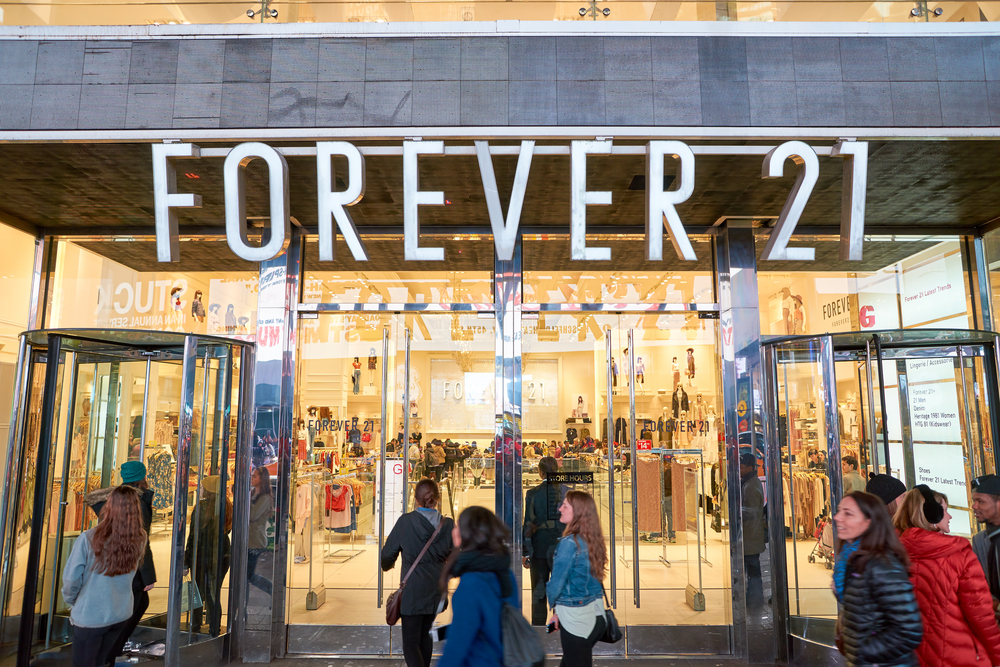
Some of the leading players in the fast fashion industry include Zara, H&M, Forever 21, and SHEIN. These companies have mastered the art of rapid design-to-production cycles, often drawing inspiration from runway collections, celebrity outfits, and social media trends. They produce clothing at low prices, enticing consumers with new arrivals every week.
Other brands, such as Boohoo, Fashion Nova, and Primark and many brands on Amazon also embrace the fast fashion model, emphasizing affordability and constant variety. While their business strategies have made fashion accessible to a global audience, they have also drawn criticism for their environmental impact and labor practices.
Is Fast Fashion Bad for the Environment?
Unfortunately, the environmental consequences of fast fashion are significant and far-reaching. The industry is one of the largest contributors to pollution, with its reliance on synthetic fabrics like polyester and nylon contributing to microplastic pollution in oceans.
These fabrics, derived from petroleum, are not biodegradable, meaning they persist in the environment for decades.
Textile production also consumes vast amounts of water and energy. For example, producing a single cotton T-shirt requires around 2,700 liters of water. Chemical dyeing processes release toxic substances into waterways, harming ecosystems and local communities.
Textile Waste Statistics
- Annual Textile Waste: The fashion industry produces approximately 92 million tons of textile waste annually, according to the Ellen MacArthur Foundation. This includes discarded clothing and leftover fabric scraps from production processes.
- Landfill Overflow: An estimated 85% of all textiles produced annually end up in landfills or incinerated. This equates to about 21 billion tons of clothing each year being discarded globally, much of which comes from fast fashion.
- Clothing Lifespan: Many fast fashion items are designed for short-term use, with some garments being discarded after only seven to ten wears, contributing to a growing mountain of waste. I’ve gotten stuff that was only worth one wear before it fell apart!
- Synthetic Materials: A large percentage of fast fashion garments are made from synthetic fabrics like polyester, nylon, and acrylic, which do not biodegrade. These materials can take hundreds of years to break down in landfills, releasing harmful microplastics into the environment during the process.
Microplastics and Water Pollution
- Microplastics: Washing synthetic fabrics releases an estimated 500,000 tons of microplastics into oceans every year. These tiny plastic fibers pollute waterways, harm marine life, and enter the food chain.
- Chemical Waste: The toxic dyes and treatments used in fast fashion production often leach into water systems, further contributing to environmental degradation.
While fast fashion makes trendy clothing accessible to a broader audience, the environmental costs of overproduction and overconsumption are impossible to ignore. Growing awareness of these issues has prompted some brands to adopt sustainable practices, though the effectiveness of these efforts remains a topic of debate.
The Pros and Cons of Fast Fashion
Fast fashion represents a paradox of modern consumerism: it democratizes style and fulfills the demand for trendy, affordable clothing, but at the expense of environmental sustainability and ethical labor practices.
There are of course some pros to consider, though they are a bit outweighed by the magnitude of the cons.
The Pros of Fast Fashion
- Affordability and Accessibility: One of the biggest advantages of fast fashion is its affordability. By producing clothing in bulk using cost-effective methods, fast fashion brands make trendy apparel accessible to people who might not afford high-end or designer alternatives. This democratization of style allows more people to participate in fashion trends.
- Rapid Response to Trends: Fast fashion brands excel at bringing the latest trends to market in record time. This quick turnaround satisfies consumers’ desire for immediate gratification, allowing them to replicate celebrity or runway looks almost instantly.
- Variety and Self-Expression: With new collections released weekly, fast fashion offers an unparalleled variety of options. This abundance enables consumers to experiment with different styles and express their individuality without committing to high-price items.
- Economic Contributions: Fast fashion contributes significantly to global economies, creating millions of jobs in manufacturing, retail, and logistics. For some developing countries, the industry provides critical economic opportunities, though often at the cost of worker welfare.
The Cons of Fast Fashion
- Exploitative Labor Practices: Many fast fashion companies rely on low-wage labor in developing countries, where workers often face unsafe conditions, long hours, and minimal pay. Factories may prioritize production speed and low costs over worker rights and safety, leading to ethical concerns.
- Environmental Damage: Fast fashion is notorious for its environmental impact. From the water-intensive cultivation of cotton to the toxic chemicals used in dyeing fabrics, the production process is highly polluting. The industry’s reliance on synthetic fabrics also exacerbates the issue of microplastic pollution.
- Culture of Overconsumption: Fast fashion encourages consumers to view clothing as disposable. This mentality leads to overbuying and the rapid discard of items, with devastating consequences for the planet. Many garments end up in landfills or incinerators after only a few wears.
- Low Quality: The emphasis on producing cheap, trendy clothing often comes at the expense of quality. Many fast fashion items are poorly constructed and made from subpar materials, leading to a shorter lifespan and increased waste. Often items fall apart after one wash.
- Unrealistic Expectations: The fast fashion model perpetuates unrealistic expectations about the cost and value of clothing. Consumers are conditioned to expect low prices, which undermines sustainable brands that prioritize ethical labor practices and environmental responsibility.
- Over Production and Overstock: The fast fashion model encourages overproduction to keep up with demand for constant new collections. When unsold stock piles up, companies often dispose of it through burning or landfilling, leading to massive waste.
- Clothing Donation Issues: While donating clothing is often seen as a solution to textile waste, fast fashion’s low-quality garments have created a glut in the second-hand market. Many charities cannot resell the overwhelming volume of donated clothing, leading to a significant portion being shipped to developing countries or landfilled.

Balancing the Scales
While some companies are beginning to adopt sustainable initiatives, such as recycling programs and eco-friendly materials, the industry still has a long way to go.
Recently a new website called Trashie has sprung up to try and deal with the fashion excess issue. You purchase Trashie Bags for $20, fill them with your unwanted textiles, no matter the condition, and then send it to them to be recycled. They reward you with Trashie Cash to use for deals and discounts on their website.
Click here to read my personal experience and review from trying Trashie
For consumers, the power lies in making informed choices. Supporting sustainable brands, buying second-hand clothing, and embracing a “less is more” mindset can help mitigate the negative impacts of fast fashion.
By rethinking our shopping habits, we can balance the benefits of fast fashion with a more conscious approach to consumption.
And, just by writing this and learning how much waste fast fashion is creating, this year I plan to curb my own shopping habits and resist those late night SHEIN shopping sprees.






 The Midnight Pumpkin Blog
Leave a reply to Bride of Frankenstein Monster Makeup and Costume Ideas – The Midnight Pumpkin Blog Cancel reply