
Children with ADHD already navigate a lot of challenges throughout the day, and unfortunately, those difficulties often don’t stop at bedtime. Sleep and ADHD rarely coexist peacefully — many families find themselves stuck in a frustrating cycle of restless nights and groggy mornings.
The good news is that better sleep is possible. While every child is different and not every tip will be a perfect fit, a few well-chosen strategies can make a noticeable difference — helping your child fall asleep faster, stay asleep longer, and giving the whole household a calmer start to the day.
Disclaimer: This article is a guest post and was not written by a medical professional. It is not intended to diagnose, treat, or cure any disease or condition. Always seek the advice of a licensed healthcare provider with any questions you may have regarding your health.
#1: Healthy sleep starts with good sleep hygiene
In a neurotypical brain, activity naturally slows down toward evening, easing the body into rest. For a child with ADHD, though, that internal dimmer switch doesn’t work quite the same way. Their minds stay switched on — curious, restless, and often overstimulated. Add in a few hours of evening screen time that suppresses melatonin and a round of active play before bed, and it’s easy to see why ADHD and sleep make such a tricky combination.
For older kids and teens, technology can actually become part of the solution. Since they’re already deeply connected to their devices, mental health apps can help channel that engagement productively.
For example, the liven app reviews highlight how it helps users understand ADHD’s underlying mechanisms while offering tools for emotional regulation and daily management.
By combining science-based strategies with mood tracking, guided routines, and reflection tools, apps like Liven can give ADHD families a structured yet flexible way to create calmer evenings — and eventually, better nights’ sleep for everyone.
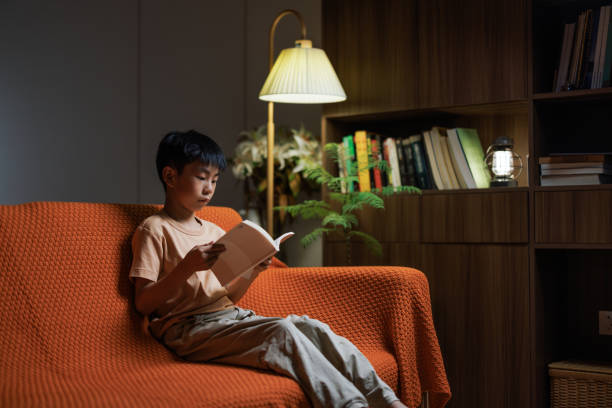
Things you can do to help:
- Turn off screens at least 1–2 hours before bed. Substitute screen time with calming activities like reading, coloring, working on a quiet puzzle or Lego set, or doing simple crafts together.
- Slow-paced pretend play. For instance, stuffed animal tea party or puppet show.
- Taking a warm bath to help melatonin rise.
- Turn off loud appliances, TVs, or video games and use white noise/gentle soundscapes and warm-tone lamps.
Routine and predictability are key. Keep the bedtime routine consistent to help an ADHD brain understand when it’s time to rest so it can better stabilize circadian rhythms.
#2: Create a 30-60-minute wind-down routine
An ADHD brain needs a smooth off-ramp from the day’s high-speed activity to the calm of night. Just as you wouldn’t expect a car to brake from 60 to 0 in an instant, a child’s mind can’t flip from full throttle to sleep mode without preparation.
That’s why creating a consistent 30–60 minute wind-down routine is so valuable — it gives the body time to lower cortisol, boost melatonin, and ease naturally into rest.
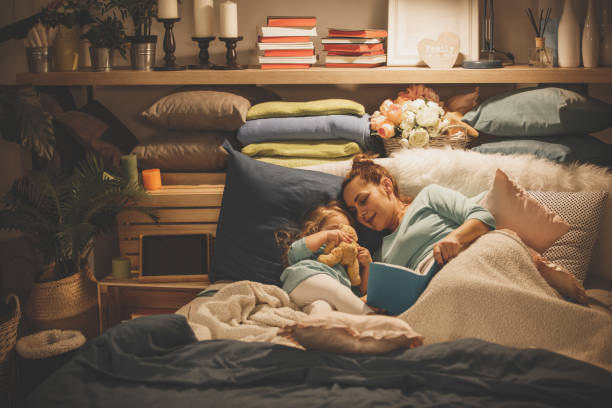
- Choose low-stimulation activities, such as reading a calming story, brushing teeth, or cuddling under a weighted blanket.
- Avoid open-ended or emotionally stimulating conversations before bed.
- Start the wind-down routine at the same time each night.
#3: Ensure medication isn’t disrupting sleep
Many stimulant medications used to treat ADHD come with an unwelcome side effect — disrupted sleep. When taken too late in the day, these medications can keep the brain in overdrive long after bedtime.
By increasing levels of dopamine and norepinephrine, they enhance focus and alertness during the day but can also interfere with the body’s natural evening slowdown, delaying the drop in alertness needed for restful sleep.
- Ask your child’s doctor whether you can adjust timing to alleviate side effects;
- Monitor timing and intensity of the sleep problems;
- Ask your doctor about non-stimulant alternatives if possible.
#4: Fuel for sleep with ADHD-friendly meals
Caffeine and sugar can spike energy levels and disrupt blood sugar stability, while foods like nuts, seeds, and whole grains can help with melatonin and serotonin production (both are natural neurotransmitters that regulate sleep and mood).
- Avoid soda, chocolate, or sugary snacks in the evening. No caffeine or excessive sugar.
- Add ‘sleepy’ foods to the evening menu, such as bananas, oats, turkey, and cherries.
- Keep dinner balanced as too heavy or too light meals can disrupt sleep.
#5: Set up a comfortable sleep environment
Children with ADHD are often sensitive to light, sound, and temperature. For kids who are prone to sensory overload, interior elements like blackout curtains, white noise machines, or weighted blankets can help with relaxation and create a feeling of calm and safety.
- Keep the room between 60–67°F (15–19°C).
- Use blackout curtains or sleep masks.
- Try white noise machines or calming music (or earbuds if nothing helps).
- Try a weighted blanket.
#6: Burn off extra energy during the day
Children with ADHD often have an excess of physical energy. Daily movement helps burn off that energy, reduce anxiety, and boost sleep-inducing chemicals like serotonin and adenosine. Overall, a kid that is active during the day falls asleep faster and sleeps more soundly at night.
A few tips that might help:
- Encourage at least 60 minutes of active play or movement daily (NOT in the evening)
- Let your child run, bike, jump, or dance freely
- Avoid intense activity 2-3 hours before bed
#7: Talk about nighttime fears
Anxious thoughts and overactive imaginations get stronger at night. Fear of the dark, being alone, or imagined threats can activate the brain’s fight-or-flight system and make it impossible to relax.
Let your child talk about their fears and help them feel in control.
- Validate their feelings, because once you dismiss their fears, your child might never want to open up about them again.
- Let your child choose or create a bedtime buddy, like a stuffed animal or soft toy.
- Choose a warm-hued nightlight (not blue or white) if your child is scared of darkness.
- Craft a “worry box” together. Let your child write or draw their worries and “put them away” in the box before bed.
#8: Talk to a sleep specialist if a problem persists
So, you’ve tried everything and nothing helps, it may be time to see a sleep specialist or developmental pediatrician.
A few more tips to make the visit even more effective:
- Keep a sleep diary to bring to your appointment.
- Be honest about screen time, habits, and medication use.
- Ask your provider about sleep studies or behavioral sleep therapy.
Final thoughts
Sleep issues are incredibly common in kids with ADHD. The good news? They’re also manageable. With the right habits, the right tools, and the right support, your child’s bedtime can become less of a battle.






 The Midnight Pumpkin Blog
Leave a reply to Can CBD Help with Cosplay Anxiety? – The Midnight Pumpkin Blog Cancel reply