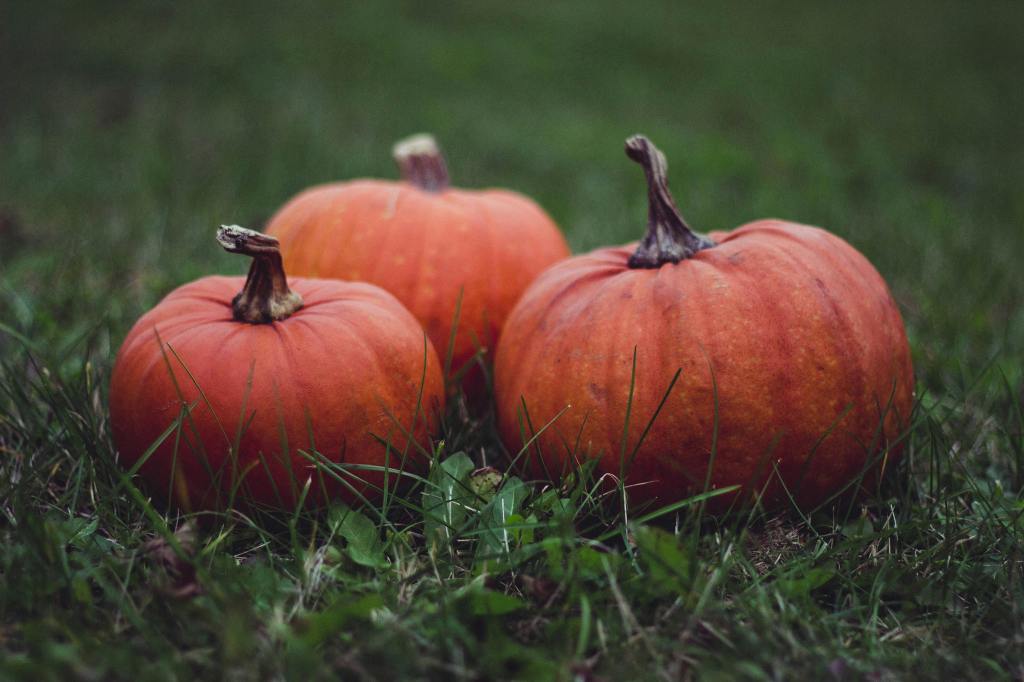
The pumpkin, with its vibrant orange hue and round, cheerful shape, has long been more than a simple squash. Its symbolic journey spans centuries, weaving through cultural rituals, legends, and the rich tapestry of fairy tales.
From being a symbol of prosperity and transformation to embodying the mysteries of the midnight hour (and inspiring the name of the blog!), the pumpkin has enchanted humanity in ways few fruits have.
Historical Roots of the Pumpkin’s Symbolism
The history of pumpkins stretches back thousands of years, with their origins traced to Central America. For the Indigenous peoples of the Americas, pumpkins were not only a staple food but also a symbol of life and sustenance.
The pumpkin’s seeds, easily preserved and replanted, represented fertility and abundance. During harvest festivals, pumpkins were often featured as a testament to the earth’s bounty and the cyclical nature of life.
When pumpkins crossed the Atlantic after European exploration, they quickly became entwined with folklore and seasonal traditions.
In particular, pumpkins found a home in the celebrations of autumn and the harvest, where their appearance was associated with the changing seasons and the preparation for winter.

Pumpkins in Celtic Lore
In ancient Celtic lore, the focus was on the cycle of life and nature’s bounty, particularly during Samhain, the festival marking the end of the harvest season and the beginning of winter. Although the Celts originally carved turnips or other root vegetables as lanterns to ward off malevolent spirits, pumpkins replaced them over time, especially after the practice crossed to the Americas.
The carved lanterns, known as jack-o’-lanterns, were believed to protect homes and souls from wandering spirits and mischievous fae. The hollow, glowing pumpkin became a symbol of guidance and protection during the darkening days of the year. The pumpkin’s bright orange color, reminiscent of fire, further linked it to the sun’s waning power and the hope for its return during the solstice.
For the Celts, the harvest itself was deeply symbolic, representing the balance between life and death. The pumpkin, being a fruit of the autumn harvest, symbolized abundance and the rewards of hard work while also serving as a reminder of the lean times ahead.

The Pumpkin’s Role in Fairy Tales
The magical qualities of pumpkins are perhaps best exemplified in fairy tales, where they serve as symbols of transformation and hope. The most iconic example is Cinderella, the timeless story in which a humble pumpkin becomes a grand carriage through the wave of a fairy godmother’s wand.
This enchanting metamorphosis represents the possibility of change and the idea that even the most ordinary things can become extraordinary with a bit of magic.
Cinderella’s pumpkin also symbolizes the fleeting nature of magical moments. As the clock strikes midnight, the carriage reverts to its original pumpkin form, a powerful reminder that even miracles have limits and that timing is everything.
This connection to time underscores the pumpkin’s symbolic ties to the cycles of life and change. (This is also the inspiration behind the name of the blog Midnight Pumpkin.)
In other folk tales, pumpkins appear as protective symbols, often carved to ward off evil spirits or used as a hiding place for treasures. Their hollow interior and sturdy exterior made them practical vessels, but in storytelling, this quality was often imbued with magical significance.
The Midnight Pumpkin and Its Mysteries
The concept of the midnight pumpkin is deeply rooted in the idea of transformation and the transition between worlds. Midnight, often called the “witching hour,” is a time when the veil between the physical and spiritual realms is believed to be thinnest.
The pumpkin, with its historical ties to protection and magic, becomes a focal point for these mysterious energies.
In Cinderella, midnight marks the moment when the fairy godmother’s spell is broken, a dramatic turning point that emphasizes the fragility of magical intervention. The image of a pumpkin left behind as the grand carriage fades into the night evokes both whimsy and poignancy, as it mirrors the way dreams can shimmer briefly before reality sets in.
Beyond Cinderella, the pumpkin at midnight also finds its place in folklore and seasonal celebrations. On Halloween, jack-o’-lanterns—traditionally carved from pumpkins—are lit as a beacon of protection and a guide for wandering spirits.
These glowing pumpkins are an embodiment of transformation: from a humble fruit to a supernatural talisman warding off the darkness.
Pumpkins as Modern Symbols of Magic and Wonder
Even today, pumpkins retain their magical allure. They are the centerpiece of autumnal traditions, from the scent of pumpkin fragranced candles to decorative gourds adorning doorsteps to pumpkin-spiced treats heralding the change of seasons. Their continued association with Halloween, a time steeped in mystery and folklore, keeps their symbolism alive.
Culturally, the pumpkin remains a bridge between the mundane and the magical. It represents nostalgia for simpler times while also inspiring creativity and wonder. Each carved jack-o’-lantern is a nod to the past, an acknowledgment of the tales that shaped its meaning, and a celebration of the enduring power of storytelling.
The Pumpkin as a Timeless Symbol
The pumpkin’s rich symbolism, spanning history, fairy tales, and seasonal rituals, reflects its unique place in human imagination. From the life-giving sustenance it provided to ancient peoples to its role as a magical catalyst in stories like Cinderella, the pumpkin embodies transformation, protection, and the beauty of fleeting moments.
And as the clock strikes midnight, the humble pumpkin reminds us of life’s dualities: the ordinary and the extraordinary, the real and the magical, and the enduring power of hope.
Whether it’s perched on a doorstep glowing warmly against the autumn chill or nestled in the pages of a beloved fairy tale, the pumpkin continues to cast its spell on generations, carrying its timeless magic into the future.





 The Midnight Pumpkin Blog
Leave a comment