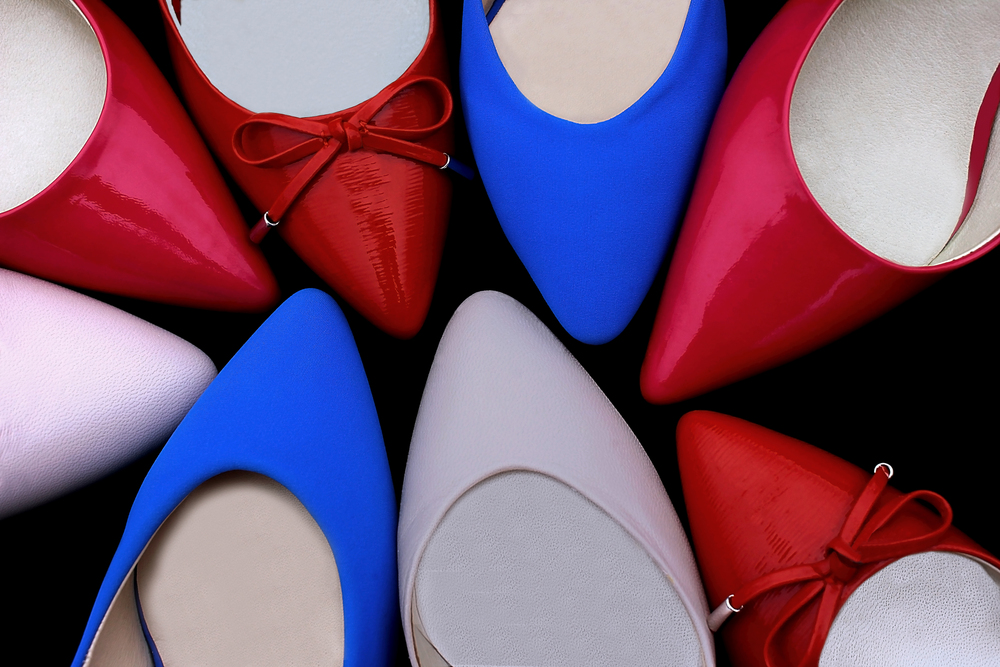
Pointy shoes have captured imaginations for centuries, not only as a distinctive fashion trend but also as symbols of mystique, power, and even mischief in fairy tales and popular culture.
From medieval Europe to the magical realms of storytelling, the evolution of pointy shoes tells a rich tale of artistry, societal norms, and the human penchant for embellishment.
The Origins of Pointy Shoes
Pointy shoes, also known as “poulaines” or “crakows,” first rose to prominence in medieval Europe during the 12th and 13th centuries. These elongated shoes, often made of leather, were initially a marker of nobility and wealth.
The longer and more pronounced the point, the higher the status of the wearer. In some cases, the tips of these shoes were so exaggerated that they had to be reinforced with whalebone or stuffed with moss for stability.
And sometimes they got so ridiculous that the tips were held up by chains fixed around the wearer’s knees!
While their exact origin is debated, some historians trace the trend to Eastern influences brought back by returning Crusaders. These exotic styles were adapted by European shoemakers, blending local craftsmanship with a flair for the dramatic. By the 14th century, pointy shoes had become a staple of aristocratic fashion across the continent.
However, the practical challenges of wearing such shoes soon became apparent. Long points hindered movement and made walking cumbersome. Despite these drawbacks, their popularity persisted until sumptuary laws—designed to curb excessive displays of wealth—eventually restricted the length of shoe points for certain classes.
By the 15th century, pointy shoes began to wane, replaced by broader, more functional footwear styles.

The image about is from about 1390–1400 and depicts Alexander the Great taming a wild stallion. His fancy court dress and very long pointy shoes reveals his royal status.
Pointy Shoes in Fairy Tales
Pointy shoes have long been woven into the fabric of folklore and fairy tales, where they often serve as magical or symbolic elements. In stories filled with enchantment, these shoes are rarely just footwear; they carry deeper meanings tied to the characters who wear them.
One classic example is the Wicked Witch of the East in The Wizard of Oz, whose pointy shoes (later transformed into ruby slippers in the film adaptation) symbolize both power and vulnerability. The shoes become a coveted item, signifying control over magical forces.
Elves and fairies are also frequently depicted wearing pointy shoes in folklore. Their footwear, often paired with curled tips, accentuates their otherworldly nature and mischievous behavior. These whimsical designs serve to distinguish magical beings from humans, adding an air of mystery to their presence.
Pointy shoes are not limited to fantastical beings. In Cinderella, while the iconic glass slipper is not pointy in modern retellings, earlier depictions often portrayed it as elongated and narrow, reflecting historical fashion norms.
The slender, delicate shape of the shoe mirrors Cinderella’s grace and serves as a metaphor for transformation and fitting into a predetermined role.

Pointy Shoes in Popular Culture
The allure of pointy shoes extends beyond fairy tales into modern popular culture, where they continue to make bold fashion statements and shape character identities. In film, literature, and music, pointy shoes often symbolize rebellion, sophistication, or a touch of the sinister.
For example, villains are frequently associated with pointy shoes. Think of Maleficent from Disney’s Sleeping Beauty, whose sharp footwear complements her angular costume design, reinforcing her menacing aura. Similarly, witches, goblins, and other antagonists in fantasy stories often don exaggeratedly pointed shoes to enhance their threatening or eccentric appearances.
On the other hand, pointy shoes also symbolize elegance and style. The stiletto, a modern evolution of the pointed shoe, has become a fashion icon, representing confidence and allure.
In classic Hollywood films, actresses like Audrey Hepburn and Marilyn Monroe popularized pointed-toe heels, solidifying their association with timeless glamour.
In music and subcultures, pointy shoes have played a significant role as well. The “winklepicker,” a sharp-toed shoe popularized in the 1950s and 60s, became a hallmark of rock ‘n’ roll style. Bands like The Beatles and The Rolling Stones embraced this edgy footwear, associating it with youthful rebellion and creative expression.

The Cultural Significance of Pointy Shoes
Beyond their aesthetic appeal, pointy shoes carry cultural and symbolic weight. Historically, they have been used to signify social status, with the exaggerated tips serving as a visual marker of wealth and privilege. Over time, they evolved to represent individuality and artistic flair, making them a canvas for self-expression.
In storytelling, pointy shoes often highlight the wearer’s character traits, whether magical, menacing, or refined. Their unique shape sets them apart from ordinary footwear, reinforcing their association with the extraordinary.
In contemporary fashion, pointy shoes remain a statement piece, blending historical influences with modern trends. Designers frequently revisit this classic style, updating it with new materials, colors, and shapes to keep it relevant for today’s audiences.

Are Pointy Shoes Bad for Your Feet?
Pointy shoes, while undeniably stylish, can pose challenges for foot health if worn frequently.
Their narrow toe box can squeeze the toes together, leading to discomfort and potential issues like bunions, corns, and calluses over time. The pressure on the front of the foot can also contribute to nerve pain or conditions like hammertoes.
However, occasional wear is unlikely to cause significant harm, especially if you choose well-fitted options and balance them with more supportive footwear in your daily routine. To minimize risks, opt for pointy shoes with a slightly rounded point or those made from flexible materials that accommodate your natural foot shape.
Coming to a Point
Pointy shoes are more than just a fashion statement; they’re a reflection of cultural history, artistic expression, and human imagination. From medieval nobles flaunting their elongated poulaines to witches casting spells in curled-toe footwear, these shoes have carved a unique place in both reality and fantasy.
As they evolve through time, pointy shoes remind us of the power of design to tell stories and create connections across generations. Whether you’re stepping into a pair of sleek stilettos or imagining a fairy tale world, pointy shoes carry a legacy that’s anything but ordinary.






Leave a Reply