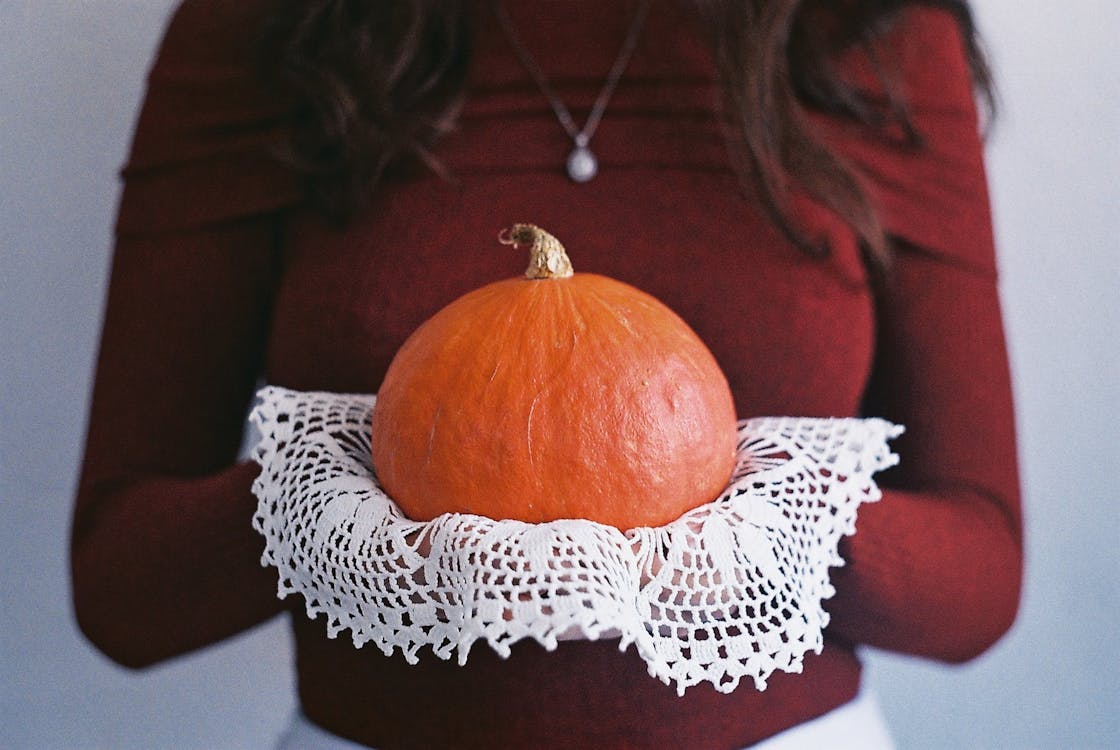
While everyone knows what a pumpkin looks like, many are unfamiliar with its exact classification and might wonder, is a pumpkin a fruit or a vegetable? The answer lies in botanical science, but cultural usage complicates the answer.
The Botanical Pumpkin Perspective
In botanical terms, a pumpkin is unequivocally a fruit. Fruits are defined as the mature ovaries of flowering plants, typically containing seeds.
This definition encompasses a wide variety of produce, including some that are commonly mistaken as vegetables, such as tomatoes, cucumbers, and yes, pumpkins.
Pumpkins belong to the Cucurbitaceae family, which includes other fruits like cucumbers, squash, and melons. They develop from the flowering part of the pumpkin plant and contain seeds, fulfilling the botanical criteria for classification as a fruit.
If you’ve ever scooped out the stringy, seed-filled interior of a pumpkin, you’ve encountered firsthand evidence of its fruit status.

The Culinary Perspective
While botanically a fruit, pumpkins are often treated as vegetables in culinary contexts. Vegetables are typically defined by their use in savory dishes, and pumpkins fit this description well. You’ll also usually find canned pumpkin in the vegetable section of the grocery store!
They are commonly used in soups, stews, and roasted dishes, aligning them more with the culinary role of vegetables than fruits like apples or oranges.
This dual identity—fruit by science, vegetable by kitchen standards—is not unique to pumpkins. Many plants occupy this grey area, but pumpkins’ versatility in both sweet and savory dishes makes their classification especially perplexing for the average person.
So, wondering whether the pumpkin is a fruit is a popular question!
A Brief History of the Pumpkin
The history of pumpkins adds another layer to their fascinating identity. Native to North America, pumpkins have been cultivated for thousands of years, with indigenous peoples using them for food, tools, and even as storage containers.
Early European settlers adopted pumpkins into their diets, famously incorporating them into the first Thanksgiving meals.
The iconic jack-o’-lanterns of Halloween also stem from a blend of cultural practices. Irish immigrants brought the tradition of carving turnips and other root vegetables to ward off spirits, adapting it to pumpkins once they arrived in the United States.
The pumpkin’s large size and easy-to-carve flesh made it the perfect choice for this eerie (and awesome) custom.

Health Benefits of Pumpkin
Regardless of how you classify it, there’s no denying that pumpkins are a nutritional powerhouse. Rich in vitamins A and C, pumpkins support healthy vision and immune function. They’re also a good source of fiber, aiding digestion, and contain antioxidants that can help protect the body against disease.
Pumpkin seeds, often roasted and enjoyed as a snack, are another nutritional bonus. Packed with protein, healthy fats, and essential minerals like magnesium and zinc, they offer a range of health benefits in a tiny package.
I love roasting the pumpkin seeds after I’ve carved a jack-o-lantern for Halloween!
Why Classification Matters
So, why does it matter whether a pumpkin is a fruit or a vegetable? For most people, it doesn’t affect how they enjoy pumpkins in their favorite recipes or seasonal traditions.
However, understanding the botanical classification highlights the complexity and diversity of the plant world, challenging preconceived notions about what we eat.
For farmers, chefs, and educators, these distinctions can also influence how pumpkins are marketed, cooked, and taught in schools. While supermarkets may continue to shelve pumpkins in the vegetable section, their fruit status reminds us of the fascinating science behind our everyday foods.
So the next time someone asks, “Is a pumpkin a fruit?” you can confidently answer, “Yes, it’s a fruit—but one that’s just as comfortable acting like a vegetable!” This dual identity is part of what makes pumpkins such a fascinating and beloved part of the autumn season.






Leave a Reply